
Concrete Mixer: Your Essential Guide to Choosing and Using One
Look at any construction site and you’ll see one thing for sure—concrete. Sidewalks, foundations, driveways, buildings—they all need concrete. But concrete doesn’t come ready to use. You have to mix it first. That’s where a concrete mixer comes in. This machine takes cement, sand, gravel, and water and turns them into concrete. It’s been doing this job for decades, and it does it really well.
Here’s the thing, though. Not every mixer is right for every job. Some are small. Some are huge. Picking the right one makes your work easier and faster. Let’s talk about concrete mixers in simple terms so you know exactly what you need.
What Does a Concrete Mixer Do?
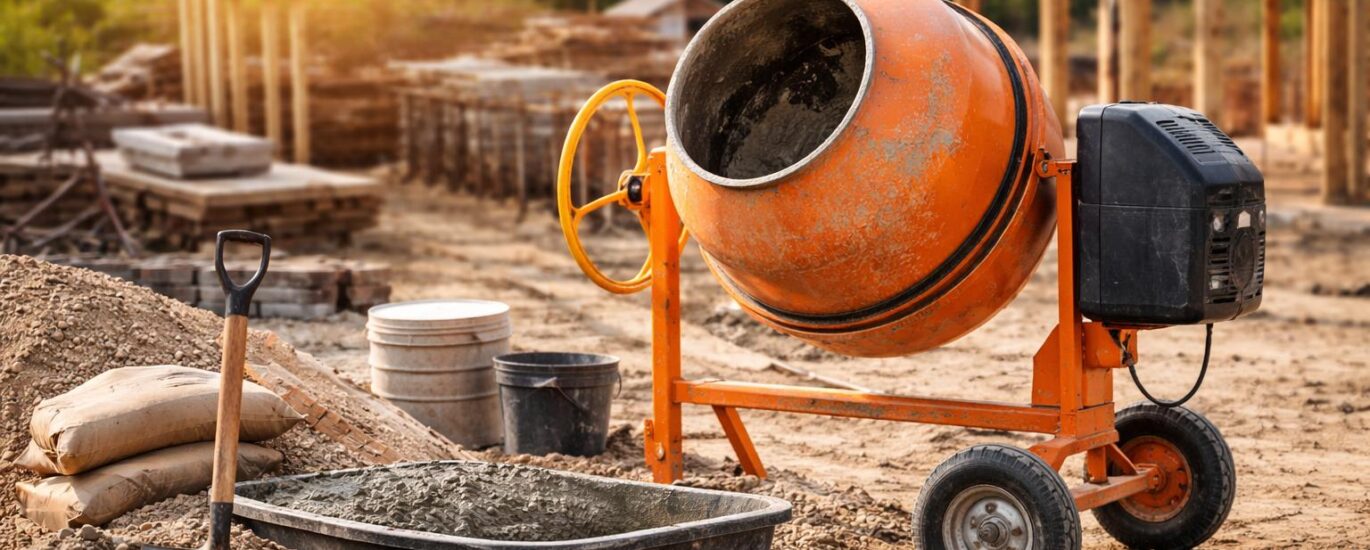
A concrete mixer has a drum that spins around. You put cement, sand, gravel, and water inside. The drum rotates and tumbles everything together. After a few minutes, you have smooth, ready-to-use concrete.
Small mixers hold just a bucket or two. Big ones hold enough concrete to fill a swimming pool. But they all do the same basic job—mix concrete evenly.
Different Types You’ll See
-
Small Portable Mixers
These are the little guys on wheels. You can roll them around your yard or job site. Perfect for home projects like a small patio or fixing your driveway. Most plug into regular outlets or run on small engines.
-
Medium Drum Mixers
These are what most contractors use. They sit on a stand or trailer. The drum tilts to pour out the concrete. They make enough concrete for serious construction work without being too massive.
-
Concrete Trucks
You’ve seen these driving down the road. The big drum spins as the truck drives. This keeps the concrete mixed and fresh until it reaches the construction site. These hold tons of concrete.
-
Pan Mixers
Instead of a rotating drum, these have a flat pan with blades that spin. You don’t see them as much on regular job sites. They’re mostly in concrete factories.
How to Pick the Right One
-
How Much Concrete Do You Need?
This is the biggest question. Pouring a small walkway? A portable mixer works fine. Building a house foundation? You need something much bigger. Don’t make 50 tiny batches when you could make 5 big ones.
-
Can You Move It Easily?
Will you need to wheel it around? Get one with good wheels that you can actually push. Staying in one spot? Then weight and wheels matter less.
-
Where’s Your Power Coming From?
Electric mixers need an outlet nearby. They’re quieter and simpler. Gas mixers work anywhere but they’re louder and need fuel. Diesel mixers are for heavy-duty work.
-
Check the Drum Size
A mixer might say 150 liters, but you can’t actually fill it all the way. You usually get about two-thirds of that as usable space. Keep this in mind.
Keep Your Mixer Working
- Look It Over Before Using: Check for loose parts. Look at belts and chains. Make sure nothing looks broken or worn out.
- Grease the Moving Parts: Most mixers have spots that need greasing regularly. The manual tells you where. A little grease prevents expensive repairs.
- Keep It Covered: Rain and sun damage mixers over time. Cover it or store it in a shed when you’re not using it. In winter, make sure no water is left inside to freeze.
- Take Care of the Engine: If your mixer has a gas or diesel engine, change the oil. Clean the air filter. Do basic maintenance just like your car needs.
Final Thoughts
A concrete mixer is simple but essential. It turns separate ingredients into the concrete that builds almost everything around us. Pick the right size for your work. Use it safely. Clean it after every use. Take care of it, and it’ll last for years.
Whether you’re a professional builder or just fixing up your home, understanding your concrete mixer makes every project go smoother.